
Optimal Timing for Fire Sprinkler Installation
Fire sprinkler installation timing is influenced by various factors including construction schedules, building occupancy, and safety compliance deadlines. Planning installations during the early phases of construction can minimize disruptions and reduce costs. Retrofitting existing structures requires careful scheduling to ensure minimal impact on operations. Emergency preparedness assessments often determine optimal timing for upgrades or new installations.
Installing fire sprinklers during initial construction ensures integration with building systems and can be more cost-effective.
Retrofitting during renovation minimizes operational disruptions and allows for upgrades to meet current safety standards.
Scheduling installations ahead of compliance deadlines ensures safety requirements are met without rush.
Installing fire sprinklers before occupancy ensures safety measures are in place for future occupants.
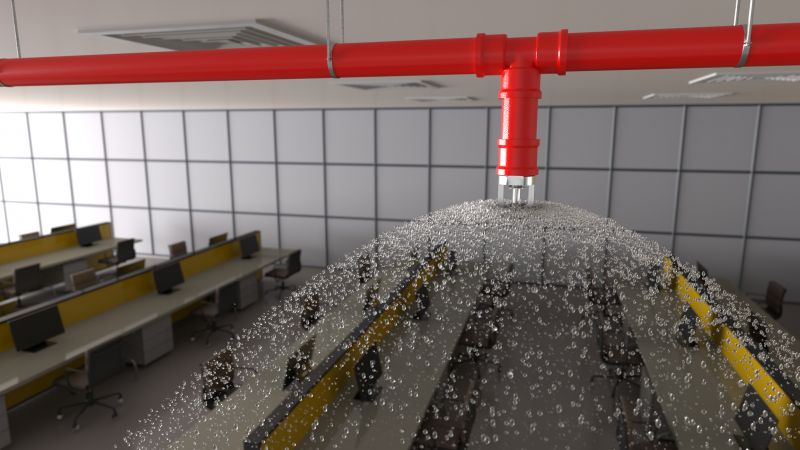
Professional installation during construction phases ensures optimal system placement.
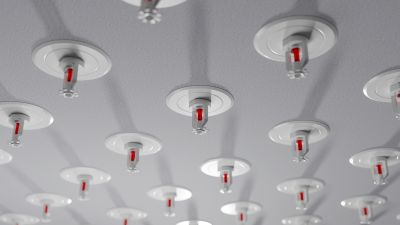
Upgrading older structures with new sprinkler systems enhances safety.
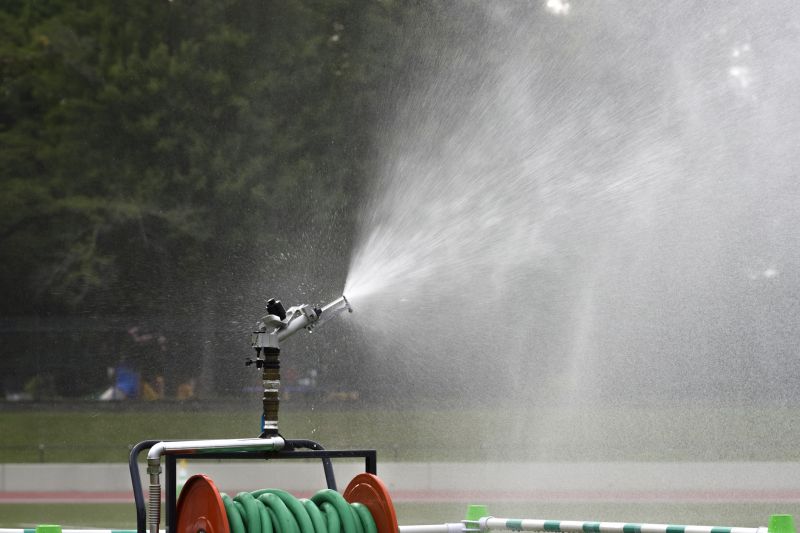
Post-installation testing ensures system reliability and compliance.
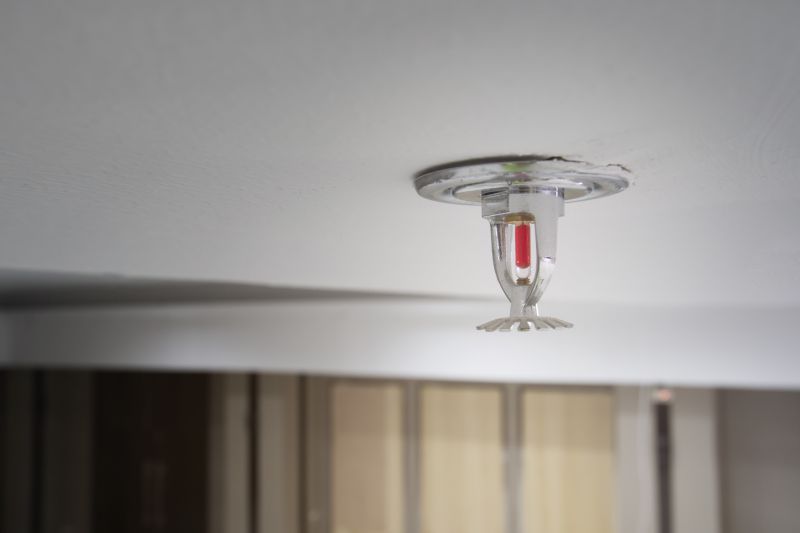
Ways to make Fire Sprinkler Installations work in tight or awkward layouts.
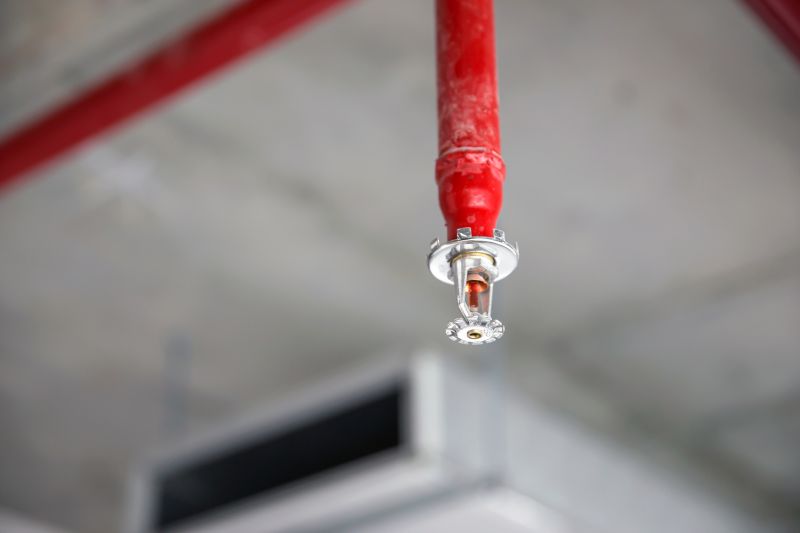
Popular materials for Fire Sprinkler Installations and why they hold up over time.
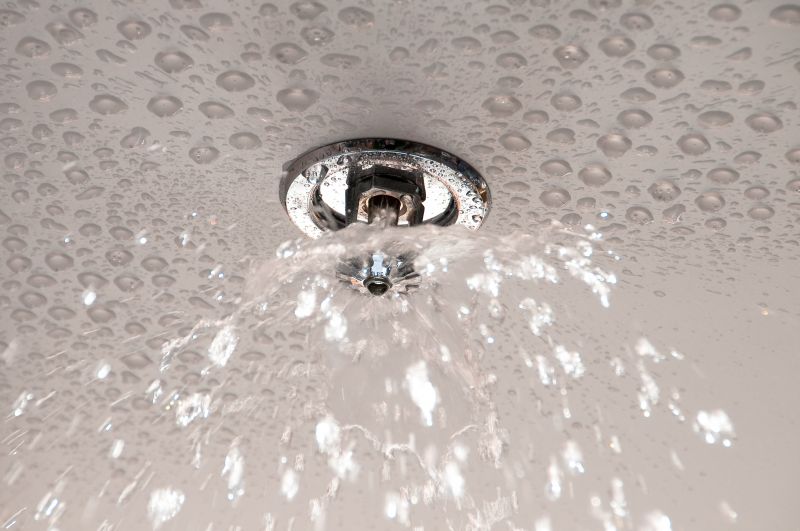
Simple add-ons that improve Fire Sprinkler Installations without blowing the budget.
Fire sprinkler systems are a critical component of building safety, capable of controlling or extinguishing fires before they escalate. Advances in sprinkler technology and installation techniques have improved response times and coverage. Statistically, buildings equipped with fire sprinkler systems experience significantly lower fire-related damages and casualties. Proper planning and timely installation are essential to ensure these systems operate effectively when needed.
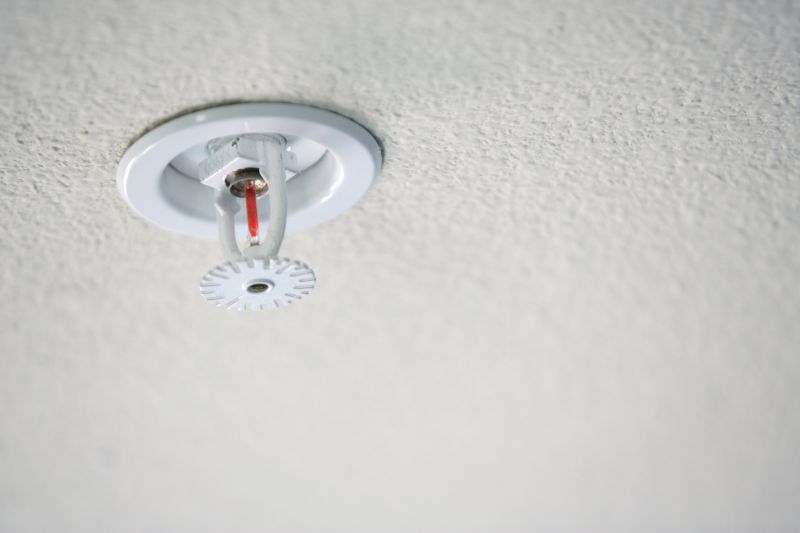
Includes pipes, sprinkler heads, and control valves working together to suppress fires.
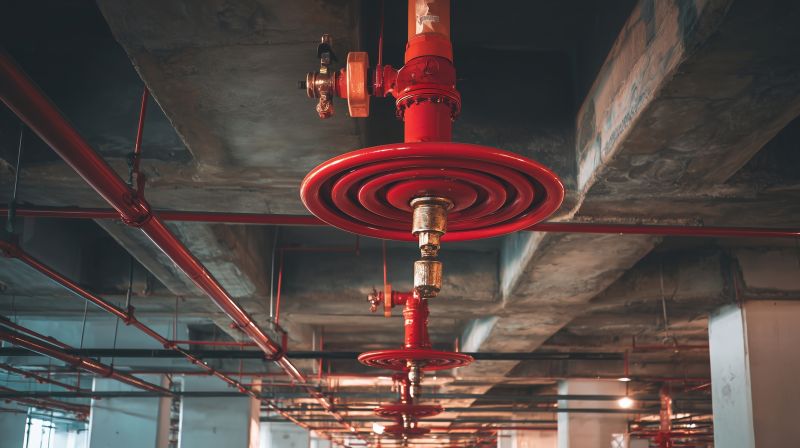
Ensures large-scale coverage for various occupancy types.
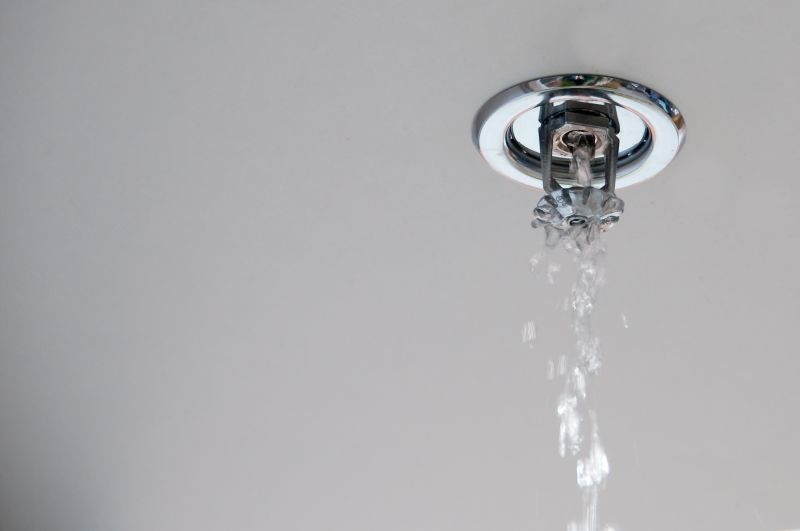
Modern methods allow upgrades with minimal structural impact.
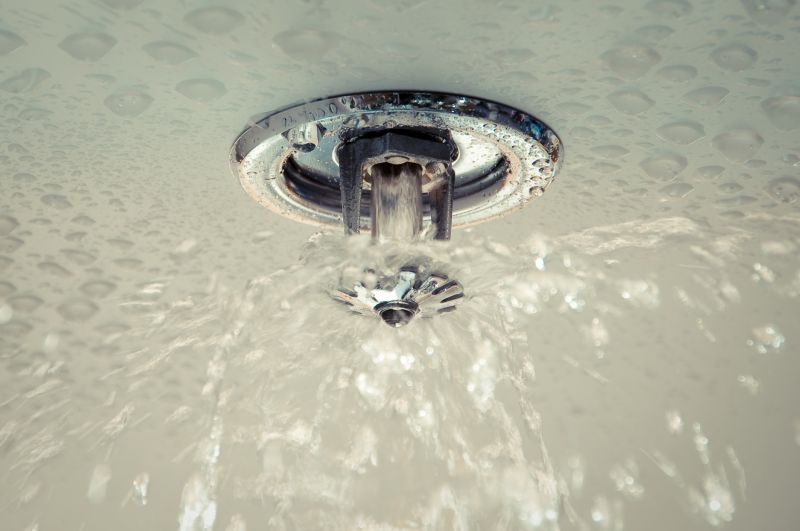
Regular checks are vital for system reliability.
| Factor | Impact on Timing |
|---|---|
| Construction Phase | Best time for new installations |
| Renovation Periods | Ideal for retrofitting projects |
| Regulatory Deadlines | Schedule to meet compliance |
| Occupancy Status | Install before building occupancy |
| Budget Constraints | Plan ahead to optimize costs |
| Emergency Preparedness | Align with safety assessments |
| Availability of Skilled Installers | Ensure timely scheduling |
| Weather Conditions | Consider for outdoor or exposed systems |